

Why Companies Pay More for Smaller Office Spaces
23.11.2026At first glance, choosing a smaller office with a higher rental rate per square meter may seem difficult to justify financially. However, the advertised rent does not always reflect the true cost of occupying a property. A company may pay a higher rate per square meter while reducing its monthly budget if it uses the available area more efficiently.
When evaluating office space, the relevant question is not simply how much each square meter costs, but how much space the team actually needs. The difference between a spacious but inefficiently designed building and a compact, well-organized office can change the entire financial calculation.
A Financial Example: 1,000 m² Versus 750 m²
Suppose a company is comparing two offices. The first offers 1,000 m² at a rent of €13/m²/month. The second offers 750 m² at €16/m²/month. Although the second property has a rental rate approximately 23% higher, its monthly rent is €12,000, compared with €13,000 for the first. The annual difference in rent is €12,000 in favor of the smaller office. If we assume, solely for this example, the same service charge of €4/m²/month, the combined rent and service charge amount to €17,000 per month for the first option and €15,000 for the second. The potential saving therefore reaches €24,000 annually.
These figures are illustrative rather than actual market offers. They exclude VAT, parking, utilities, fit-out costs and commercial incentives, which must be assessed separately.
Leased Area Is Not Always the Same as Usable Area
Two properties with similar contractual floor areas may accommodate different numbers of workstations. Floorplate shape, column positions, circulation cores, room depth and the method used to measure the leased area all influence the outcome.
An office floor with numerous corners or difficult-to-furnish areas may require more square meters for the same team. By contrast, a compact layout can efficiently accommodate workstations, meeting rooms, phone booths and shared spaces. Comparing floor plans at the same scale is not enough. A workplace layout study tailored to the company's actual requirements is essential.
Hybrid Working Changes the Number of Workstations Required
A company with 100 employees does not automatically need 100 individual desks. When teams work on a hybrid schedule, some days may have low occupancy, while others bring almost everyone into the office. Space requirements should therefore be based on actual peak attendance rather than a weekly average.
Desk booking systems, flexible use of meeting rooms and adaptable work areas can reduce the amount of space needed. However, excessive downsizing can have the opposite effect, resulting in insufficient seating, noise and collaboration difficulties. A smaller office is advantageous only if it remains functional on the busiest days.
Total Occupancy Costs Can Change Which Offer Is Best
When comparing offices for rent, the headline rent is only one component of the overall cost. Service charges, energy consumption, parking spaces, cleaning, maintenance and fit-out investment can significantly affect the final amount. A building with efficient technical systems may reduce certain expenses, but this benefit should be verified through documentation and cost estimates rather than assumed from displayed certifications.
Similarly, an existing fit-out that meets the team's requirements can reduce the initial investment. Conversely, a compact office requiring extensive alterations may eliminate rental savings for several years. For a meaningful comparison, expenses should be calculated over the entire lease term, including indexation, rent-free periods, landlord contributions and any reinstatement obligations.
A Smaller Office Can Provide a Better Workplace Experience
Floor area is not the only indicator of workplace quality. Natural light, acoustics, temperature, meeting room availability and access to areas for private conversations all influence how employees use the office every day. In some cases, a building with better public transport connections and useful nearby services can encourage office attendance more effectively than a larger but less accessible headquarters.
These benefits do not automatically translate into financial savings, but they may still be important in the company's final decision.
When Choosing a Smaller Office Becomes a Mistake
Reducing floor area is not suitable for every organization. Companies with rapidly expanding teams, activities requiring permanent on-site attendance or specific confidentiality requirements may need additional capacity. If the new office becomes insufficient after just one year, the costs of expansion or relocation may exceed the initial savings.
It is therefore worth examining opportunities to expand within the same building, lease flexibility and the possibility of reorganizing the interior without major construction work.
How to Make the Decision Without Comparing Prices Alone
The process begins with a space requirements assessment: how many employees attend simultaneously, how many meeting rooms are necessary, which activities require quiet environments and which areas need to remain flexible. These requirements should then be tested against the floor plans of the shortlisted properties, with fit-out investments estimated for each option.
A real estate consultant can coordinate the comparison of office spaces, working alongside workplace design specialists and the tenant's finance team. The objective is not to choose the smallest possible headquarters, but to identify a property that supports business operations at a sustainable cost. Choosing more compact office space should be based on the company's actual needs rather than simply on the desire to reduce floor area.
Ultimately, offices for rent with higher rates per square meter can be an economical choice when the available area is used efficiently and total costs remain under control. A smaller office does not necessarily represent a compromise; it may be the result of more precise planning.


Latest posts
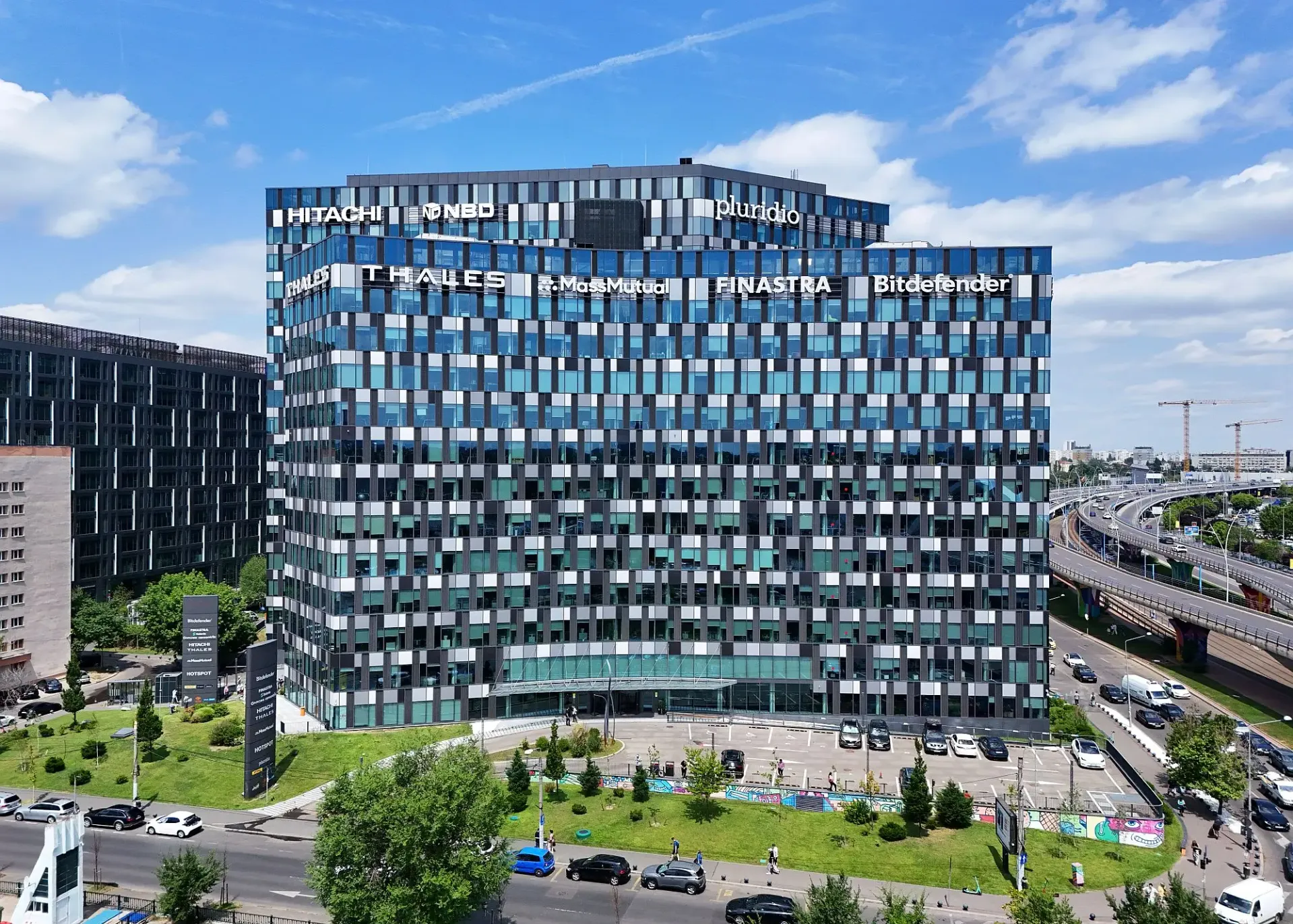
Explore the advantages of a central headquarters and multiple office locations, considering costs, accessibility and team requirements.
Read more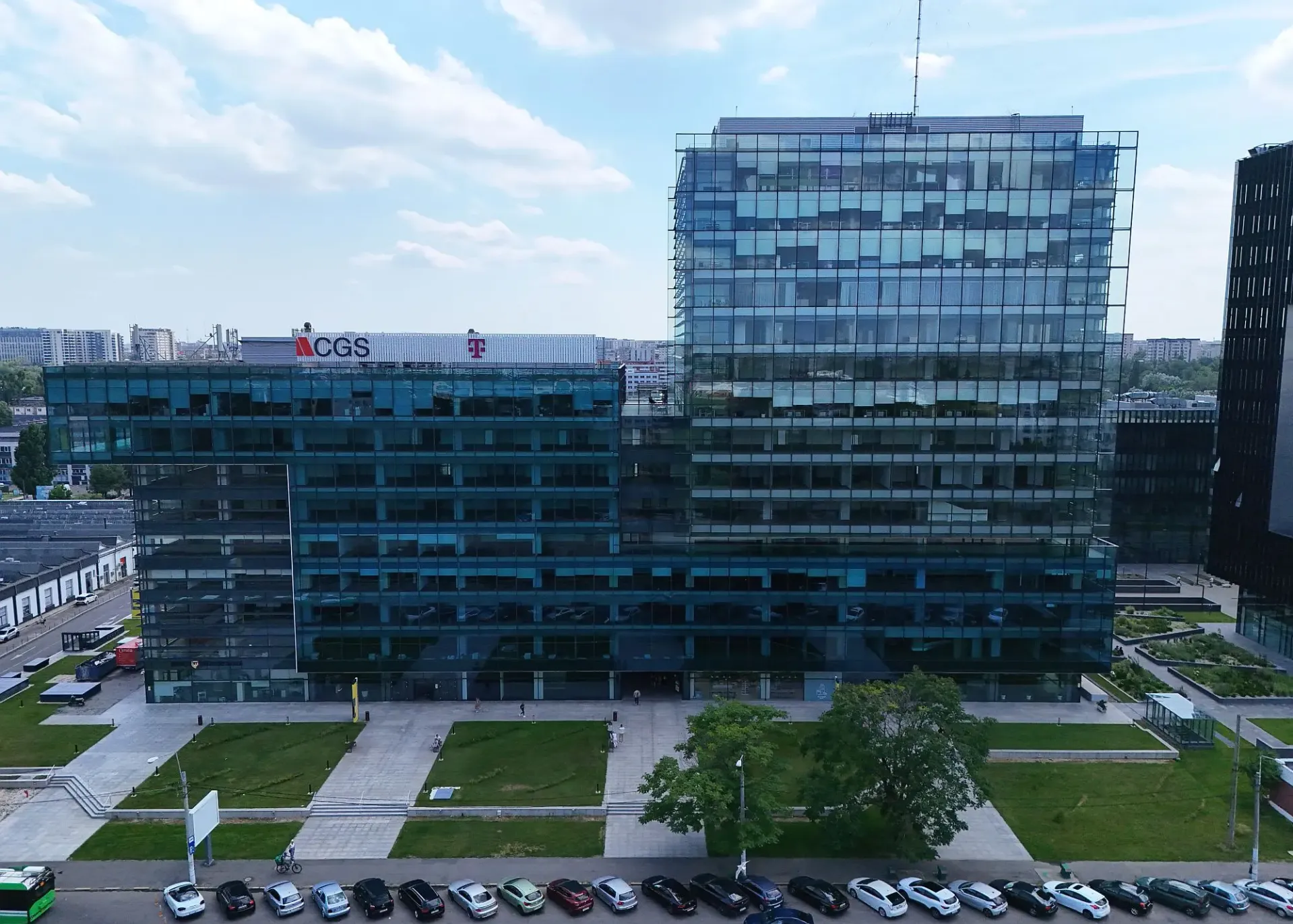
Discover how companies can adapt their office space to hybrid work while optimizing costs and employee comfort.
Read more
The office influences how the team works, the employee experience, the company’s image, and operating costs.
Read more
These are important criteria, but there is another cost that is more difficult to capture in an Excel spreadsheet: the time and effort employees need to get to the office.
Read more